"A young Saga chef's 11-seat kaiseki counter, built toward one finish: clay-pot rice, for about ¥13,000."
About Takanawa Shinzan
Shin Hirayama was born in Saga in 1991, trained in Kyoto and Tokyo, and opened his own eleven-seat counter in Takanawa on 1 July 2024. Takanawa Shinzan is a modern take on kaiseki: a warm, accessible multi-course meal built on seasonal fish from Misaki Port and Toyosu, served by the chef across a single counter. In 2023, before opening, Hirayama won the Bronze Egg award at RED U-35, the national young-chef competition.
The room sits on the ground floor of the KN Shirokane-Takanawa building at 3-5-19 Takanawa, a two-minute walk from Takanawadai Station and about twelve minutes from Shinagawa. It makes no Michelin claim and needs none; the draw is a serious young chef cooking at a fair price.
The Kitchen
The meal builds toward one thing: clay-pot rice, cooked in Iga pottery and finished with top-grade white rice from the chef's native Saga. It is the course regulars come back for, served at the end as the counter's signature. Before it, Hirayama runs through seasonal courses sourced from Misaki's "Crazy Fish Shop" and Toyosu, leaning traditional but unstuffy.
Two set menus anchor the night: the Takanawa Course at ¥9,500 and the longer Special Omakase at ¥11,800 to ¥13,800 for nine items. For the wider field see the best Japanese restaurants and the Tokyo dining guide.
The Room
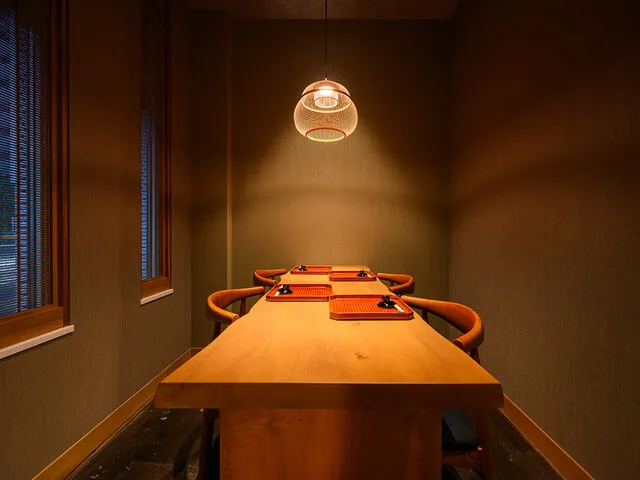
Eleven seats at a single counter, closed Sundays, dinner only. The tone is friendly rather than formal, a young chef's room where the cooking is precise but the welcome is easy, which makes it work as well for a first date as for a quiet business dinner. With only eleven seats it is intimate; large parties do not fit.
What to Order
Take the omakase and save room: the clay-pot rice finale is the dish to come for, and skipping it misses the point of the counter. Let Hirayama set the seasonal courses ahead of it. The ¥11,800 Special Omakase is the sweet spot for a first visit; the shorter Takanawa Course at ¥9,500 suits a lighter evening.
Best for an Anniversary
Takanawa Shinzan suits an anniversary or a first date: an intimate eleven-seat counter, a young chef cooking seasonal kaiseki at close range, and a clay-pot rice finish worth lingering over, all at a price that does not overwhelm the occasion. See more anniversary tables and Tokyo's date-night counters.
Not for
Not for travellers set on a Michelin name-brand dinner, for large groups (the counter seats only eleven), or for anyone wanting sushi or teppanyaki rather than a multi-course kaiseki.
Frequently Asked
Is Takanawa Shinzan worth it?
Yes, especially as a value pick among Tokyo counters. Chef-owner Shin Hirayama, a RED U-35 prize winner, cooks seasonal kaiseki for just eleven guests and finishes with a clay-pot rice made from his native Saga rice. At ¥11,800 to ¥13,800 for the omakase it costs far less than the city's starred rooms while delivering a personal, chef-driven meal. For an intimate dinner it is a strong booking.
How hard is it to book Takanawa Shinzan?
Moderately hard, there are only eleven counter seats and the room opened in mid-2024 to growing word of mouth, so weekend slots fill ahead. Book through Tabelog or have a concierge call. It sits at 3-5-19 Takanawa, two minutes from Takanawadai Station, and serves dinner only, closed Sundays. Weeknights are the easier reservation.
What does dinner cost at Takanawa Shinzan?
The Special Omakase runs ¥11,800 to ¥13,800 for nine courses, and a shorter Takanawa Course is ¥9,500, before drinks. That puts a serious chef-driven kaiseki well below the price of Tokyo's Michelin-starred counters. Sake and wine add to the bill, but the food itself is among the better value at this level in the city.
What should I order at Takanawa Shinzan?
Take the omakase and leave room for the clay-pot rice finale, cooked in Iga pottery with Saga white rice, it is the counter's signature and the reason regulars return. Let chef Hirayama set the seasonal courses before it. The ¥11,800 Special Omakase is the best first-visit choice. For more counters see the Tokyo dining guide.