The Pamplona List
Five editorial picks, ranked by the only filter that matters: why you are dining.
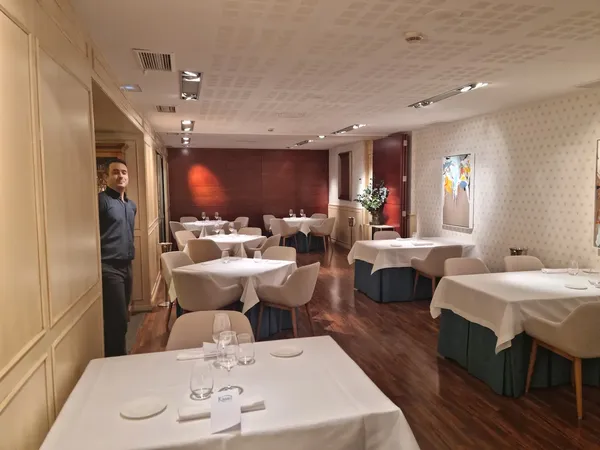
Rodero
Koldo Rodero's family room near the bullring, Navarran haute cuisine with thirty years of Michelin attention.
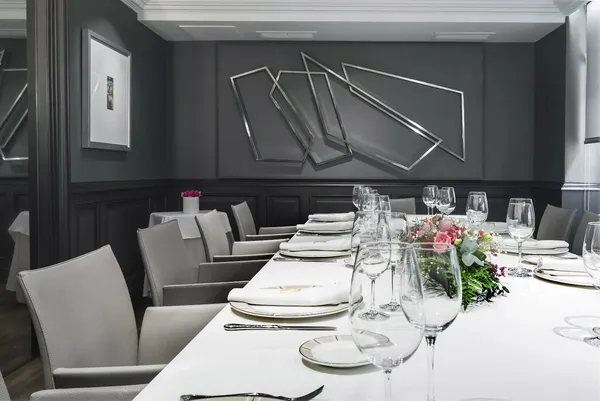
Restaurante Europa
Pilar Idoate's Plaza del Castillo room, Pamplona's longest-running starred kitchen, since 1993.
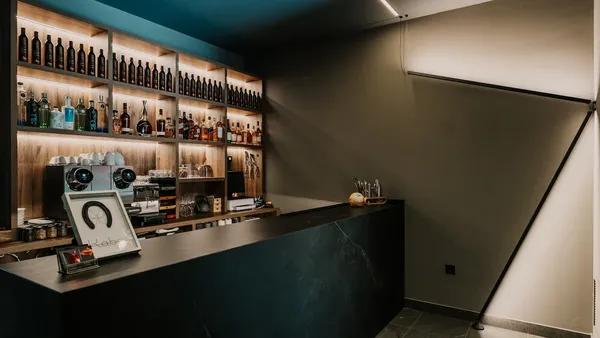
Kabo
Aitor Esnal and Mikel Tellechea's modernist tasting room, Pamplona's youngest starred kitchen.
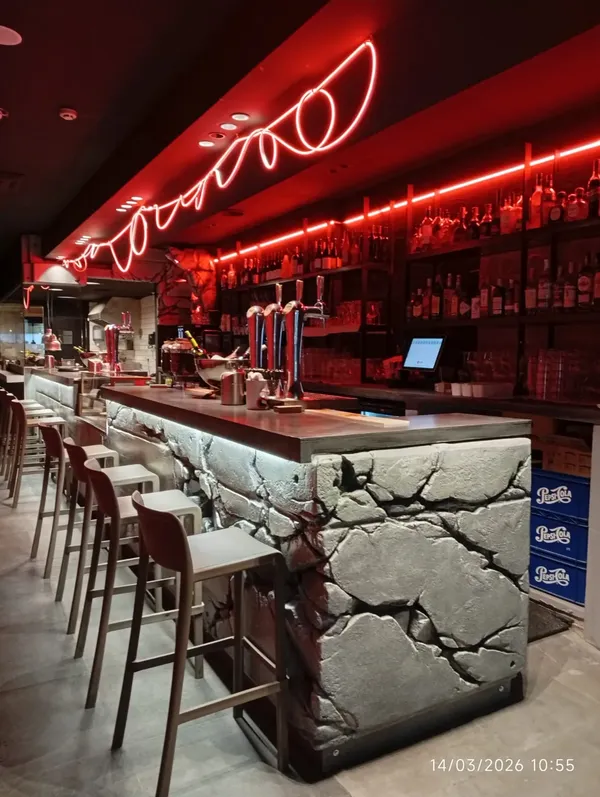
Baserri Berri
Calle San Nicolás's chef-driven pintxos counter, eight seats, a chef's-tasting register, and the city's most-defended bar.
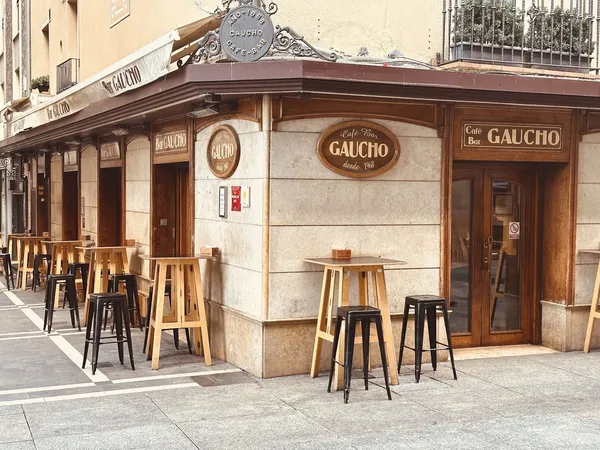
Bar Gaucho
Calle Espoz y Mina's hand-rolled pintxos institution, Pamplona's most-defended bar.
Best for First Date in Pamplona
Intimate, conversation-friendly rooms. Impressive without being intimidating. The tables where first impressions are made.
Kabo
Aitor Esnal and Mikel Tellechea's modernist tasting room, Pamplona's youngest starred kitchen.
Baserri Berri
Calle San Nicolás's chef-driven pintxos counter, eight seats, a chef's-tasting register, and the city's most-defended bar.
Best for Business Dinner in Pamplona
Power tables, private rooms, considered wine lists. Where the deal gets done.
Rodero
Koldo Rodero's family room near the bullring, Navarran haute cuisine with thirty years of Michelin attention.
Restaurante Europa
Pilar Idoate's Plaza del Castillo room, Pamplona's longest-running starred kitchen, since 1993.
The Top Five in Pamplona
Ranked against a single question: if you had one night in Pamplona, where would you go?
Rodero
Koldo Rodero's family room near the bullring, Navarran haute cuisine with thirty years of Michelin attention.
Restaurante Europa
Pilar Idoate's Plaza del Castillo room, Pamplona's longest-running starred kitchen, since 1993.
Kabo
Aitor Esnal and Mikel Tellechea's modernist tasting room, Pamplona's youngest starred kitchen.
Baserri Berri
Calle San Nicolás's chef-driven pintxos counter, eight seats, a chef's-tasting register, and the city's most-defended bar.
Bar Gaucho
Calle Espoz y Mina's hand-rolled pintxos institution, Pamplona's most-defended bar.
The Pamplona Dining Guide
Pamplona is the most underrated dining capital in northern Spain. The Navarran city, best known internationally for the San Fermín bull-run festival in early July, carries three one-Michelin-starred kitchens (Rodero, Europa, Kabo), a deep bench of Bib Gourmand and serious chef-driven rooms, and the country's most concentrated pintxos run along Calle Estafeta. For a city of 200,000 people fifty kilometres from San Sebastián, the standard of cooking is improbably high, and the regional Navarran-Basque kitchen has earned its place among Spain's most distinctive.
The Navarran pantry is unambiguously alpine-Mediterranean, Pyrenean lamb (cordero de Navarra), Tudela artichoke and white asparagus, piquillo peppers from Lodosa, jamón from the Roncal and Salazar valleys, idiazabal cheese, Tudela cardoon, and the chistorra and txistorra sausage culture. The wine programmes lean into Navarra D.O. Garnacha and Tempranillo, Rioja and Ribera depth, and a serious Txakoli row from the Basque coast. The young generation of Pamplona chefs cooks this larder with technique borrowed from San Sebastián's Mugaritz and Asador Etxebarri.
Neighbourhoods
Reservations & Practical Notes
Rodero, Europa and Kabo book three to five weeks ahead, and during San Fermín (July 6 to 14) the entire city is fully booked four months in advance, plan accordingly. Bar Gaucho and Baserriberri are walk-in for pintxos. Dress is Navarran-formal at the starred kitchens (jacket encouraged), smart casual elsewhere. Lunch is late (2 to 3pm), dinner later (9pm+). Tipping runs 5 to 10%. English is universal in the starred kitchens; Basque is increasingly heard alongside Spanish.
For a deeper editorial read, see our ongoing Editorial coverage, including pieces on the Best Restaurants for Every Occa
RFK Newsletter We email you when a table worth booking opens in Pamplona, reviewed by our editors, never paid placements. New — the nightly briefNew Pamplona restaurants, first.