"The Meatpacking brasserie that defined the scene, book Pastis for steak frites, oysters and a buzzing room that still pulls a crowd."
About Pastis
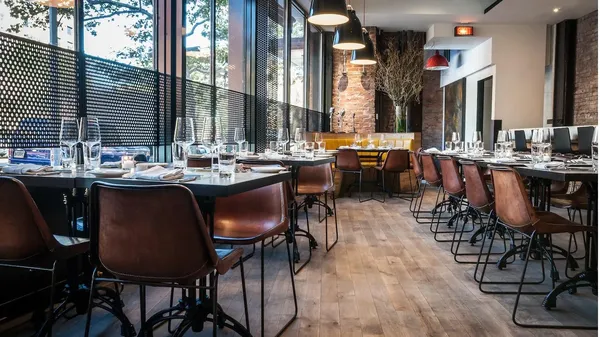
Pastis is the French bistro Keith McNally opened in 1999, when the Meatpacking District still ran on butchers' hooks; it closed in 2014 and came back in 2019 with James Beard-winning restaurateur Stephen Starr. The revival kept the look that made it famous — the curved zinc bar, subway tiles and mirrors scrawled with daily specials — and the all-day French brasserie cooking that turned a gritty block into a destination.
The Kitchen
Order the brasserie greatest hits. The steak frites with perfectly crisp fries is the default; the steak tartare and the cold tower of oysters hold up the raw side; and brunch brings the famous eggs benedict and a steak sandwich with onions and Gruyère. The menu runs all day, from croissants to a full dinner, with a meal landing in the $$$ range. The cooking is comfort-classic rather than cutting-edge — exactly the point of a great bistro.
The Room
The room is loud, bright and made for people-watching, with the bar packed and tables turning from morning coffee to late dinner. It is more scene than sanctuary, and that energy is the draw — a New York brasserie that always feels like something is happening. Service is brisk and professional under the pressure of a full house. Book ahead for prime times; come for the buzz, the look and the classics rather than a quiet, intimate meal.
Best for a first date
For a buzzy first date, a group dinner or a client lunch with a view of the Meatpacking scene, Pastis is the brasserie default: classics, a great bar and a room that hums. A natural first-date and client table.
Not for
Not for a quiet, intimate or hushed dinner, Pastis is a loud, busy Meatpacking brasserie built for the scene and the bar as much as for the plates.
Frequently Asked
Who owns Pastis in New York?
Pastis was opened by restaurateur Keith McNally in 1999 and revived in 2019 in partnership with James Beard Award-winning restaurateur Stephen Starr.
Where is Pastis in New York?
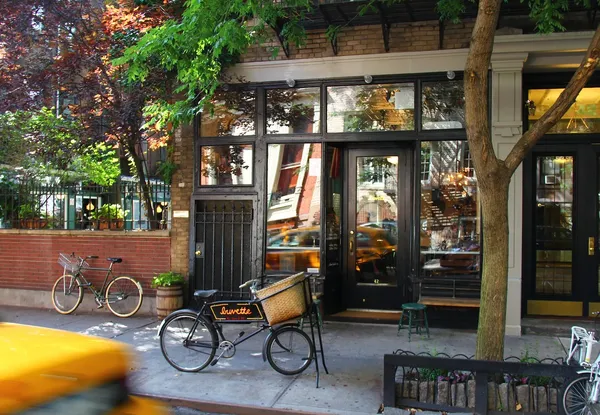
Pastis is at 52 Gansevoort Street in the Meatpacking District of Manhattan, with a curved zinc bar, subway tiles and a sidewalk terrace.
What should I order at Pastis?
Order the steak frites, the steak tartare and a tower of oysters; at brunch the eggs benedict and the steak sandwich with onions and Gruyère are the classics.
Is Pastis expensive?
A full meal lands in the $$$ range; it serves all day from croissants to dinner, so cost depends on whether you come for coffee or a full brasserie meal.
Do I need a reservation at Pastis?
Reservations are recommended for prime brunch and dinner times, when the room and bar fill; the all-day brasserie also keeps space for walk-ins at the bar.
Reserve a Table →
Reserve a Table
Reserve at Pastis
Booking via Pastis; we may earn a commission at no cost to you.
Affiliate disclosure: Restaurants for Kings may earn a commission when you book through our reservation links, at no cost to you. Our scores are editorial and never paid for.
Practical Information
Address52 Gansevoort St, New York, NY 10014
NeighbourhoodMeatpacking District
CuisineFrench
PriceFrench brasserie; a full meal around the $$$ range
Dress CodeSmart casual
SeatingBrasserie dining room, zinc bar and sidewalk tables
ReservationReservations recommended for prime times; all-day brasserie; brunch, lunch and dinner