"Nooresha Kably's Tokyo-trained ramen and sushi in Bandra, Mumbai's most serious bowl of tonkotsu, built for solo diners."
About Izumi
Izumi began as a tiny sixteen-seater in Bandra West and grew into one of Mumbai's most respected Japanese kitchens. It is the work of chef Nooresha Kably, who fell into Japanese cooking by chance and then earned it the hard way, a course at the Tokyo Sushi Academy and a programme at a ramen school in Yokohama.
The cooking is honest Japanese, proper ramen, sushi and sashimi rather than fusion theatre, served across a short, focused menu. It is the kind of counter-led room that rewards a solo diner perched at the bar as much as a table of regulars.
The Kitchen
Ramen is the heart of it: the pork tonkatsu ramen is the bowl people come for, alongside a shoyu chintan and a vegetarian crispy edamame-avocado roll for the other half of Bandra. The sushi side runs to a hamachi truffle ponzu with wasabi jelly and yakitori wings with togarashi butter, small, precise plates rather than showpieces.
Pricing is fair for the quality: ramen bowls run roughly ₹650 to ₹950 and sushi rolls ₹500 to ₹900, with dinner for two landing around ₹3,000 to ₹4,500. It rewards ordering a bowl plus a couple of small plates.
The Room
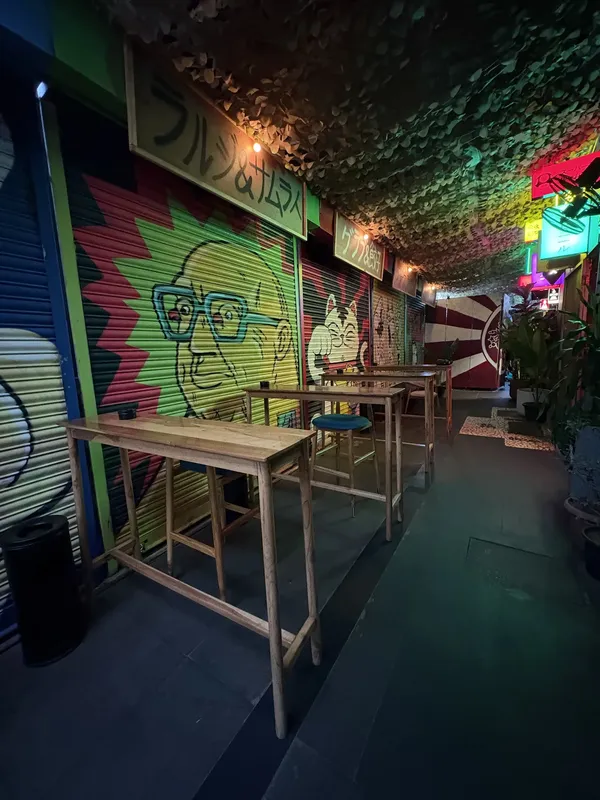
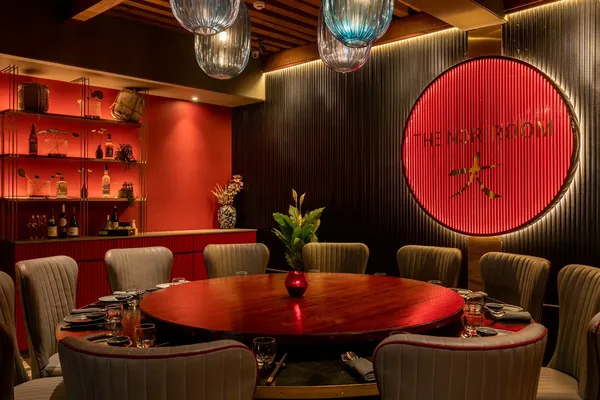
The room is compact and unfussy, a counter-and-tables space where the cooking, not the décor, is the point. It suits the food: focused, a little serious about its ramen, and comfortable for a single diner at the bar or a quiet two-top.
The Bandra West setting puts it among the neighbourhood's best eating, open for lunch and dinner daily. It is popular, so booking ahead for dinner is wise, particularly at weekends.
Best for Solo Dining
The counter seating and focused menu make Izumi an ideal solo dinner in Bandra, a serious bowl of ramen with no fuss. The relaxed room also makes it a good low-key first date or casual birthday meal.
Not for
Not for diners after a grand, big-group fine-dining night or sprawling fusion menus, Izumi is a small, focused ramen-and-sushi counter that does a short list very well.
Frequently Asked
What is Izumi known for?
Serious Japanese ramen and sushi in Bandra West. Founded by chef Nooresha Kably, who trained at the Tokyo Sushi Academy and a Yokohama ramen school, it is best known for its pork tonkatsu ramen and a short, focused menu.
Who is the chef at Izumi?
Chef Nooresha Kably, who fell into Japanese cooking and then trained formally, a course at the Tokyo Sushi Academy and a ramen-school programme in Yokohama, before building Izumi from a sixteen-seat room in Bandra.
What should I order at Izumi?
The pork tonkatsu ramen is the signature bowl; add the hamachi truffle ponzu with wasabi jelly, the yakitori wings with togarashi butter, or the crispy edamame-avocado roll for a vegetarian option.
How much does a meal cost at Izumi?
It is fair value. Ramen bowls run roughly ₹650 to ₹950 and sushi rolls ₹500 to ₹900, with dinner for two landing around ₹3,000 to ₹4,500.
Where is Izumi and should I book?
In Bandra West, Mumbai, open for lunch and dinner daily. It is a small, popular room, so booking ahead for dinner is wise, particularly at weekends.
Reserve a Table →
Reserve a Table
Reserve at Izumi
Book ahead for dinner, especially weekends. A small, focused ramen-and-sushi counter in Bandra West, good for solo diners.
Affiliate disclosure: Restaurants for Kings may earn a commission when you book through our reservation links, at no cost to you. Our scores are editorial and never paid for.
Practical Information
AddressPali Hill, Bandra West, Mumbai, Maharashtra
NeighbourhoodPali Hill, Bandra West, Mumbai
CuisineJapanese
PriceRamen bowls run roughly ₹650 to 950 and sushi rolls ₹500 to 900; dinner for two lands around ₹3,000 to 4,500
Dress CodeCasual
SeatingCompact counter-and-tables room
ReservationAdvised for dinner