"A 12-seat Gion counter blending French technique with Kyoto ingredients — book it for a quiet, course-by-course Kyoto-French evening."
About Gion Vitra
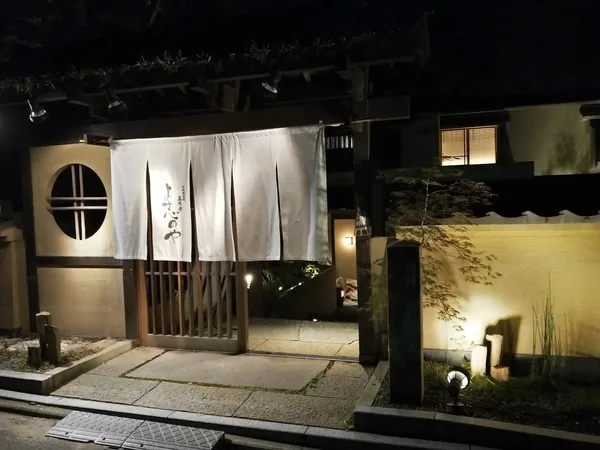
Gion Vitra serves what Kyoto has come to call ‘Kyoto French’ — French culinary technique applied to seasonal local ingredients — from a traditional Japanese house in Gion, a three-minute walk from Gion-Shijo Station. It is produced and run by Takami Bridal, a Japanese hospitality company with a century of experience staging special occasions, and that polish shows in the service and the room.
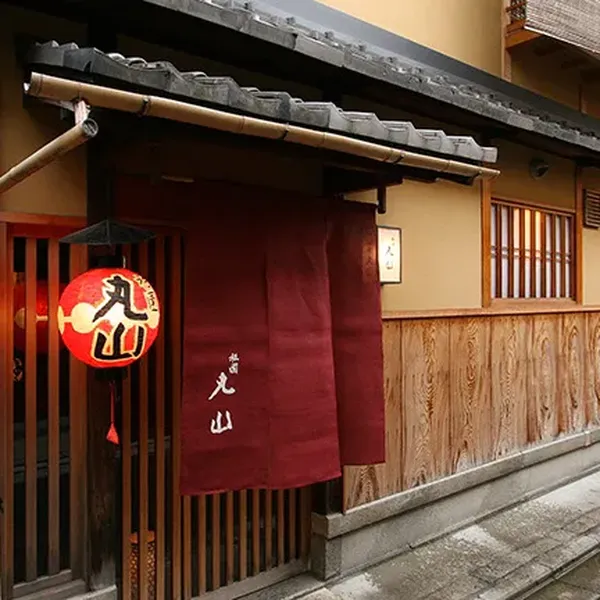
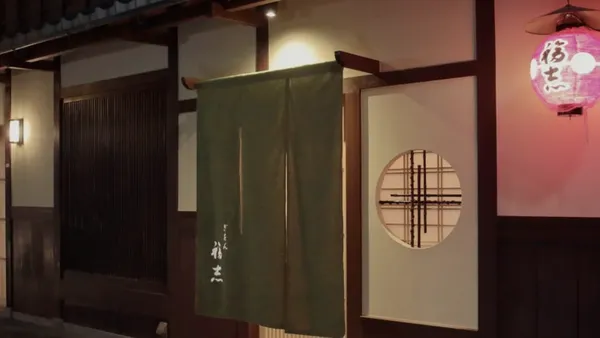
It sits among Gion's most atmospheric tables. For other Kyoto rooms, compare the kaiseki at Gion Maruyama and Kikunoi, or the counter dining at Gion Fukushi, and browse the wider French dining picks.
The Kitchen
The head chef cooks to a local-production, local-consumption philosophy, building seasonal courses that fold French method into Kyoto produce — the ‘Kyoto French’ idea taken seriously rather than as a gimmick. Dinner is a set course served over an evening, paired with a considered wine list, with each plate brought to the counter and explained.
This is occasion-grade pricing — the dinner course averages around ¥30,000 per person — for an intimate, chef's-counter experience rather than a casual bistro meal.
The Room
The setting is the draw alongside the food: a beautifully set 12-seat counter inside a traditional Kyoto machiya, where the small scale and the bridal-company polish make the evening feel like a private event. It is calm, refined and unmistakably Gion — dinner only, from early evening, with each guest looking onto the kitchen.
Best for an intimate course dinner in Gion
Gion Vitra suits an intimate course dinner in Gion — the small counter and polished service make it a natural proposal or first-date table, and an elegant way to impress clients. For more of the city's tables, see Hyotei or browse the full Kyoto dining guide.
Not for
Not for a casual walk-in or a quick lunch — this is a small, dinner-only chef's counter at occasion-grade prices, best booked ahead for a slow, sequenced evening.
Frequently Asked
What is Gion Vitra known for?
‘Kyoto French’ cuisine — French technique applied to seasonal Kyoto ingredients — served as a set course at a 12-seat counter inside a traditional house in Gion.
How much does Gion Vitra cost?
It is occasion-grade: the dinner course averages around ¥30,000 per person, served over an evening with an optional wine pairing.
Where is Gion Vitra located?
In the Gion district of Kyoto, on the second floor of a building at 4-4 Benzaiten-cho, Kawabata Shijo Agaru, Higashiyama-ku — a three-minute walk from Gion-Shijo Station.
Do I need a reservation for Gion Vitra?
Yes — the counter seats only 12 and dinner is served as a set course, so booking ahead via TableCheck or a concierge is essential.
What style of food does Gion Vitra serve?
Kyoto French: a fusion that blends French culinary technique with Japanese and seasonal Kyoto ingredients, built on a local-production, local-consumption philosophy.
Reserve a Table
Reserve at Gion Vitra
Book via TableCheck or a concierge; the counter seats only 12 and dinner is served as a set course.
Affiliate disclosure: Restaurants for Kings may earn a commission when you book through our reservation links, at no cost to you. Our scores are editorial and never paid for.
Practical Information
Address2F, 4-4 Benzaiten-cho, Kawabata Shijo Agaru, Higashiyama-ku, Kyoto
NeighbourhoodIn Gion, a 3-minute walk from Gion-Shijo Station
CuisineKyoto French
PriceDinner course averaging around ¥30,000 per person
Dress CodeSmart elegant
Seating12-seat counter; dinner only, reservation required
ReservationReservation required; dinner only, roughly 6pm to 9:30pm last order