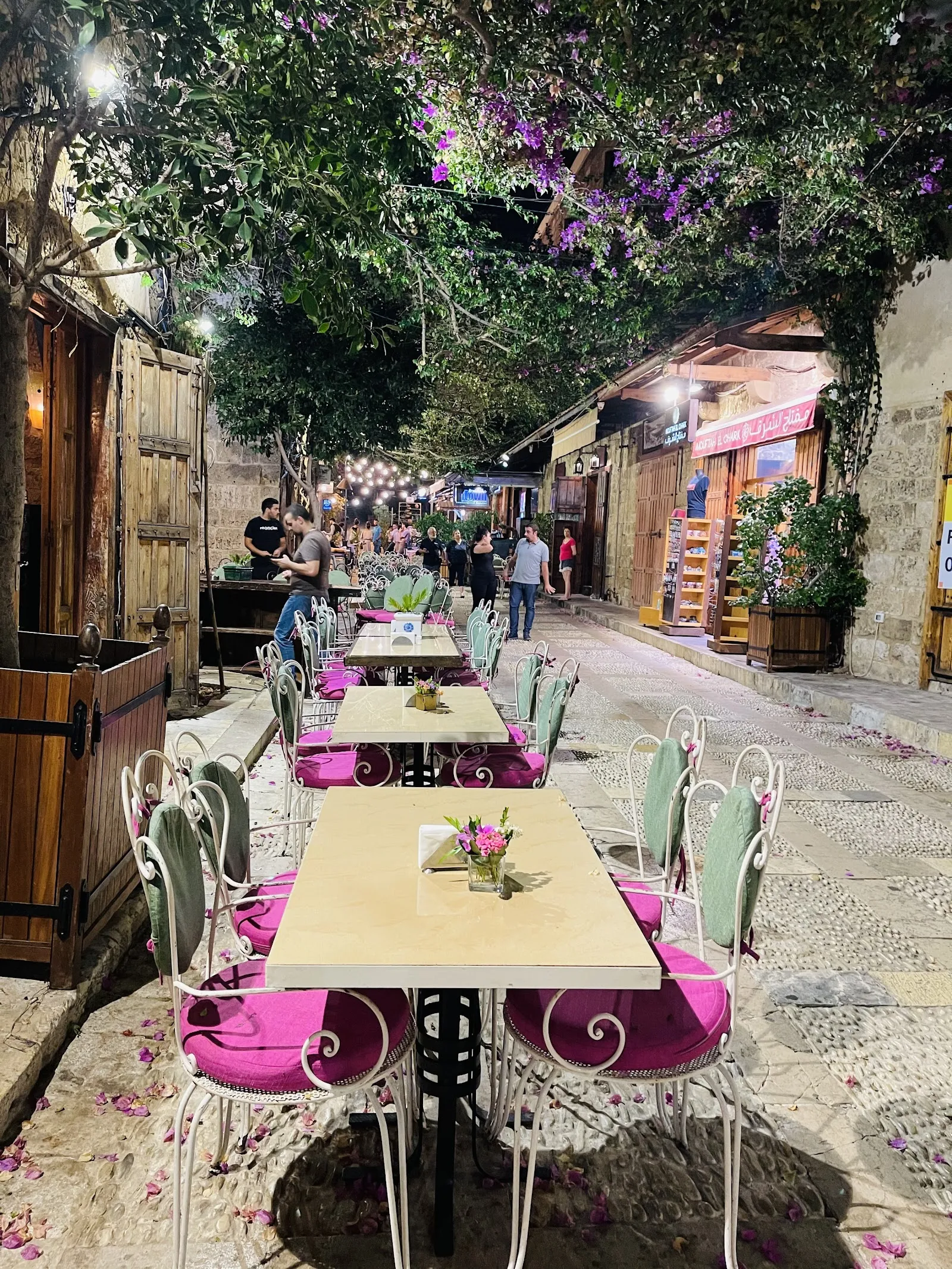
"Table-side saj and charcoal mashawi facing the Crusader castle, Byblos's old-souk landmark for a long, unhurried Lebanese dinner."
About Feniqia
Feniqia sits in the old souk of Byblos, facing the Crusader castle and a short walk from the ancient harbour. It has been one of the town's best-known Lebanese tables for years, trading on a creative take on the classics and a setting wrapped in the stone arcades of the souk.
The signature touch is a small saj, a domed griddle, brought to your table so you can heat man'oushe with zaatar, labneh and olives yourself. It is a piece of theatre that has made the restaurant a fixture for visitors and Beirut weekenders alike.
The Kitchen
The kitchen runs a fusion of Lebanese and Mediterranean cooking: a long mezze of hummus, tabbouleh and labneh, charcoal mashawi (mixed grills of kebab and shish taouk), and the table-side saj bread that defines the experience. Wooden tables are built with a slot down the middle to slide platters in, and hooks above carry the overflow of dishes.
Prices sit at the higher end of Lebanon's dining scene, a reflection of the tourist-magnet location, but portions are generous and built for sharing across a long evening.
The Room
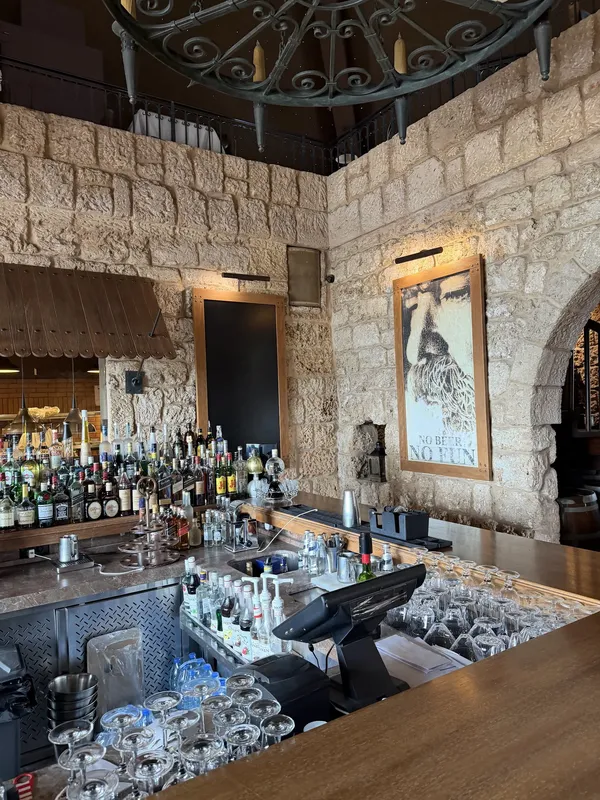
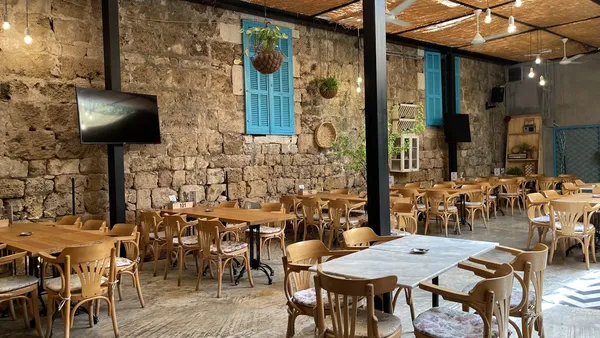
Seating spreads indoors and out among the souk's old stone, with live music on busy nights and glimpses of the castle and sea. The mood is convivial rather than refined, designed for groups settling in for hours.
Best for a team dinner
Feniqia is built for a sociable, share-everything dinner with friends or colleagues in one of Lebanon's most photogenic settings. For other Byblos tables, compare Locanda a la Granda or browse the Byblos dining guide.
Not for
Not for couples after a quiet, intimate table or diners chasing low Beirut prices: Feniqia is loud, busy and pitched at the tourist-souk premium.
Frequently Asked
What is Feniqia known for?
Feniqia is known for the small saj, a domed griddle brought to your table so you can heat man'oushe with zaatar, labneh and olives, alongside mezze and charcoal mashawi.
Where is Feniqia in Byblos?
It is in the old souk, facing the Crusader castle and a short walk from the ancient harbour of Byblos (Jbeil), Mount Lebanon.
Is Feniqia expensive?
Prices sit at the higher end of Lebanon's dining scene, reflecting the prime old-souk location, though portions are generous and designed for sharing.
What food does Feniqia serve?
A fusion of Lebanese and Mediterranean dishes: mezze such as hummus and tabbouleh, charcoal grills of kebab and shish taouk, and the table-side saj bread experience.
Is Feniqia good for groups?
Yes. The wooden tables are built to slide platters down the middle, the menu is built for sharing, and live music on busy nights suits long group dinners.
Reserve a Table →
Reserve a Table
Reserve at Feniqia
Booking via phone or the old-souk venue. Weekends and summer evenings fill quickly with Beirut visitors.
Affiliate disclosure: Restaurants for Kings may earn a commission when you book through our reservation links, at no cost to you. Our scores are editorial and never paid for.
Practical Information
AddressOld Souk, facing the Crusader Castle, Byblos
NeighbourhoodOld Souk, by Byblos Castle
CuisineLebanese · Mediterranean
PriceMezze and grill, ~$40-60pp
Dress CodeSmart casual
SeatingIndoor and souk-side terrace
ReservationAdvised on weekends