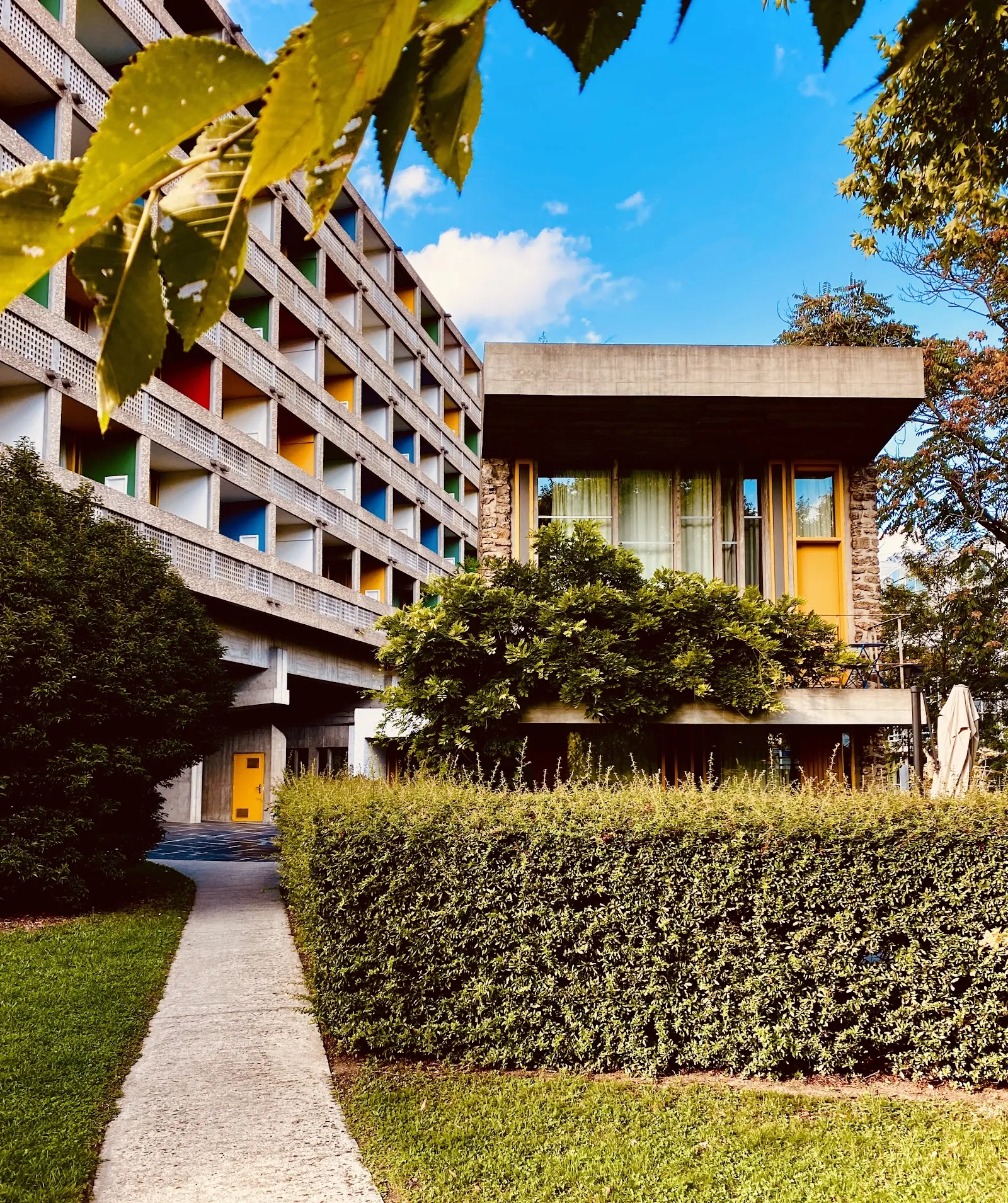
La Maison du Brésil — Brazilian / Beninese, Porto-Novo
La Maison du Brésil occupies a restored Aguda house in Porto-Novo's Brazilian Quarter — the neighbourhood settled by the descendants of freed slaves who returned from Brazil in the 19th century and built the distinctive Portuguese-Brazilian architecture that makes Porto-Novo one of West Africa's most visually extraordinary cities.
The kitchen embodies the Afro-Brazilian cultural exchange that Porto-Novo represents more completely than any other city. Feijoada is made with local pork and smoked fish alongside the Brazilian black beans; acarajé (black-eyed pea fritters from Bahia) are prepared with the recipe that crossed the Atlantic in both directions; and the moqueca uses Atlantic fish with the palm oil and coconut milk of both traditions.
The house itself is the experience — carved wooden doors, blue-and-white azulejo tiles, and the colonnaded verandah that the Aguda community built throughout Porto-Novo in the late 19th and early 20th centuries. The architecture tells the story before the menu begins.
The Beninese wine — yes, Benin produces wine from the palm tree in the form of palm wine that the Maison du Brésil presents formally in crystal glasses — is the evening's most distinctive cultural gesture.
Best Occasion: Best for Impressing Clients
The most culturally layered dining experience in Benin. The Afro-Brazilian house, the round-trip culinary history, and the feijoada made with local ingredients demonstrate extraordinary cultural intelligence.
Best Occasion: Great for First Dates
The historical narrative — the Dahomey-Brazil connection, the Aguda returnees, the house's own story — provides three hours of conversation before the acarajé even arrives.